
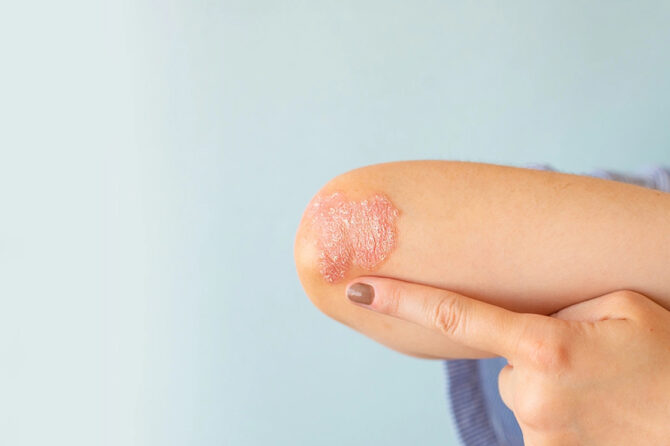
• What is Ringworm: Symptoms and Treatment

    What is Ringworm: Symptoms and Treatment

    Ringworm, despite its name, is not actually a worm but a fungal infection that affects the skin, hair, and nails. A group of fungi called dermatophytes causes it and thrives in warm, moist areas. This infection spreads easily. Direct skin-to-skin contact or sharing personal items can transmit it. This includes towels, clothing, or sports equipment.

    Read more
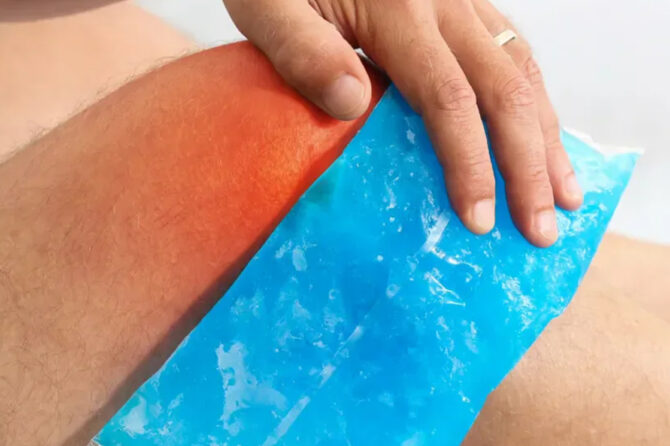
  • What Is The RICE Method for Injuries?

    What Is The RICE Method for Injuries?

    The RICE method is a well-known first aid technique. It helps manage sudden injuries, especially soft tissue injuries like sprains, strains, and bruises. Let’s explore what the RICE method stands for and its proper usage. What Does the RICE Method Stand For? The R.I.C.E. The method is a well-known way to manage soft tissue injuries.

    Read more
  • Should I Go To Urgent Care or Emergency Room (ER)?

    Should I Go To Urgent Care or Emergency Room (ER)?

    Sometimes you don’t know if a visit to your local urgent care or the Emergency Room is right for your medical condition. Learn some of the basic conditions and ailments that set them apart to help you choose when the time comes. When Should I Choose Urgent Care? When deciding if you should use urgent

    Read more
  • Can Urgent Care Treat Broken Bones?

    Can Urgent Care Treat Broken Bones?

    Fractures, commonly referred to as broken bones, happen when the bone’s continuity is disrupted by a break. This can happen due to various reasons, such as trauma from falls, accidents, or sports injuries. Symptoms of a broken bone can include pain, swelling, bruising, and difficulty using the affected area. If you think there might be

    Read more
  • Does Urgent Care Give Stitches?

    Does Urgent Care Give Stitches?

    Knowing when stitches are needed for cuts and wounds can help with healing and reduce scarring. Cuts can vary a lot in size and depth. Some are minor scratches that only need a bandage. Others are deeper lacerations that may need stitches for better healing. Doctors use stitches, also called sutures, to close deeper wounds.

    Read more