
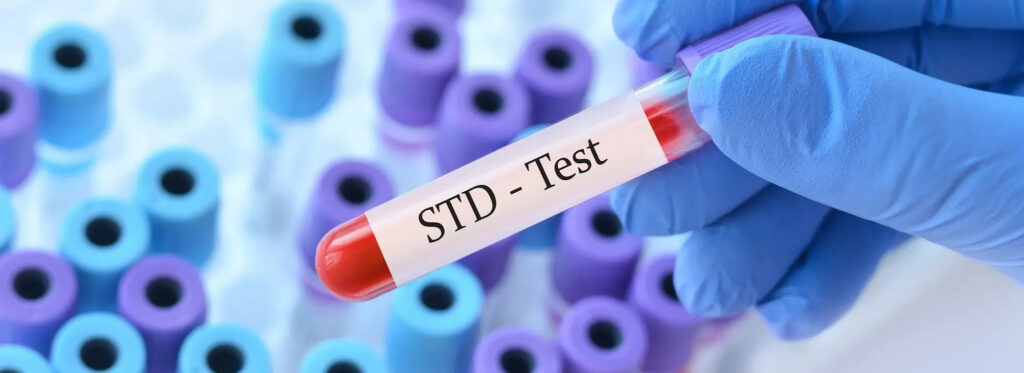
Sexually transmitted diseases (STDs) are infections commonly spread through sexual contact.
Regular testing is crucial for sexual health. Many STDs are asymptomatic, so people may not know they are infected.
Many urgent care clinics offer confidential testing options, which can provide quick and convenient services for individuals seeking testing.
What Are The Symptoms of An STD?
The symptoms of STDs can vary between women and men. In addition, they will also vary with what type of STD / STI you may have contracted.
STD Symptoms in Women:
- Unusual Discharge
- Burning Sensation
- Itching or Irritation
- Pain During Intercourse
- Abdominal or Pelvic Pain
- Irregular Menstrual Bleeding
- Visible Sores or Warts
- Fever or Flu-like Symptoms
STD Symptoms in Men:
- Unusual Discharge
- Painful Urination
- Genital Sores or Warts.
- Itching or Irritation
- Pain in the Testicles
- Flu-like Symptoms
- Changes in Sexual Function
What Are The Most Common STDs?
The most common STDs (sexually transmitted diseases) include:
- Chlamydia: Often asymptomatic, but can cause painful urination and unusual discharge.
- Gonorrhea: Similar symptoms to chlamydia, including painful urination and discharge, and can also lead to serious complications if untreated.
- Human Papillomavirus (HPV): Often asymptomatic but can cause genital warts and increases the risk of certain cancers.
- Herpes Simplex Virus (HSV): It can cause painful sores or blisters in the genital area. It may also cause flu-like symptoms during outbreaks.
- Syphilis: Initially presents as sores, often painless, and can lead to more serious health issues if not treated.
- HIV/AIDS: Initially can cause flu-like symptoms and, if untreated, can lead to severe immune system damage.
- Trichomoniasis: Caused by a parasite, it can lead to discomfort, abnormal discharge, and itching.
- Hepatitis B and C mainly affect the liver. They can cause serious long-term health problems. Early stages often have few symptoms.
When Should You Get Tested For An STD?
You should consider getting tested for an STD in the following situations:
- New Sexual Partner: If you have a new sexual partner, it’s a good idea to get tested before becoming sexually active with them.
- Multiple Partners: If you have multiple sexual partners, regular testing is important to ensure your sexual health and that of your partners.
- Unprotected Sex: If you’ve had unprotected sexual intercourse, including vaginal, anal, or oral sex, it’s advisable to get tested.
- Symptoms Present: If you experience any symptoms associated with STDs, such as unusual discharge, pain during urination, or sores, you should get tested as soon as possible.
- Pregnancy: Pregnant individuals should be tested for STDs, as some can affect the pregnancy or be transmitted to the baby.
- Annual Testing: Health organizations often recommend that sexually active individuals get tested at least once a year, even if no symptoms are present.
- Previous Positive Test: If you’ve previously tested positive for an STD, regular re-testing may be necessary to ensure you are clear or to monitor treatment effectiveness.
Regular testing is crucial for maintaining sexual health, as many STDs can be asymptomatic.
What Is The Difference Between An STD and An STI?
The terms STD (Sexually Transmitted Disease) and STI (Sexually Transmitted Infection) are often used the same way. However, there is a slight difference between them.
An STI refers to the initial stage of an infection, which may or may not show symptoms. For example, a virus or bacterium can infect an individual without causing any noticeable signs of illness.
On the other hand, an STD is a condition that develops from an STI. It often causes clear symptoms or other health problems. Essentially, all STDs stem from STIs, but not all STIs progress to become STDs.
In summary, an STI is the infection itself, while an STD refers to the disease that may result from that infection. Getting tested and treated for STIs helps prevent them from developing into STDs.
How Does Urgent Care Test for STDs?
Urgent care facilities typically test for STDs through a combination of patient history evaluation, physical examinations, and laboratory tests. Here’s how the process generally works:
1. Assessment: When you visit an urgent care clinic, the healthcare provider will first discuss your symptoms. They will also ask about your sexual history and any possible risks. This helps them determine which tests are necessary.
2. Physical Examination: Based on your symptoms, the provider may do a physical exam. They will check for STD signs, like sores, rashes, or discharge.
3. Laboratory Tests: Urgent care centers can conduct various tests, including:
– Urine tests: Commonly used for detecting chlamydia and gonorrhea.
– Blood tests: Useful for identifying infections like HIV, syphilis, and herpes.
– Swabs: A provider may take swabs from the urethra, cervix, or sores to test for specific infections.
4. Results and Treatment: Most urgent care centers provide results quickly, sometimes within the same visit or within a few days. If the provider makes a diagnosis, they will discuss treatment options and follow-up care.
It’s important to note that urgent care can handle many STD tests. Some cases may need specialized testing or treatment. For this, visit a sexual health clinic or your primary care physician. Referrals for additional follow up care or a specialist will be provided to the patient.
STD Treatment At An Urgent Care:
- Confidentiality: Urgent care clinics prioritize patient confidentiality. Your results and any treatments will remain private, which can help alleviate any fears of stigma.
- Treatment Options: If you test positive for an STD, the clinic will provide treatment options. This might include antibiotics for bacterial STDs such as chlamydia or gonorrhea, or antiviral medications for viral STDs like herpes or HIV.
- Follow-Up Care: It’s important to attend any follow-up appointments to ensure the treatment was effective. The provider may also offer advice on safer sex practices to prevent future infections.
- Education and Support: Many clinics provide educational resources about STDs, helping you understand your condition better. Don’t hesitate to ask any questions during your visit.
What Is The Cost For STD Testing At An Urgent Care?
The cost of STD testing at urgent care can vary a lot. It depends on the tests, location, and insurance coverage.
If you have insurance, your out-of-pocket cost may drop a lot. Some urgent care centers may offer payment plans. They may also offer sliding scale fees if you do not have insurance.
It’s always a good idea to check the urgent care clinic’s prices before your visit. Also, ask about insurance options.